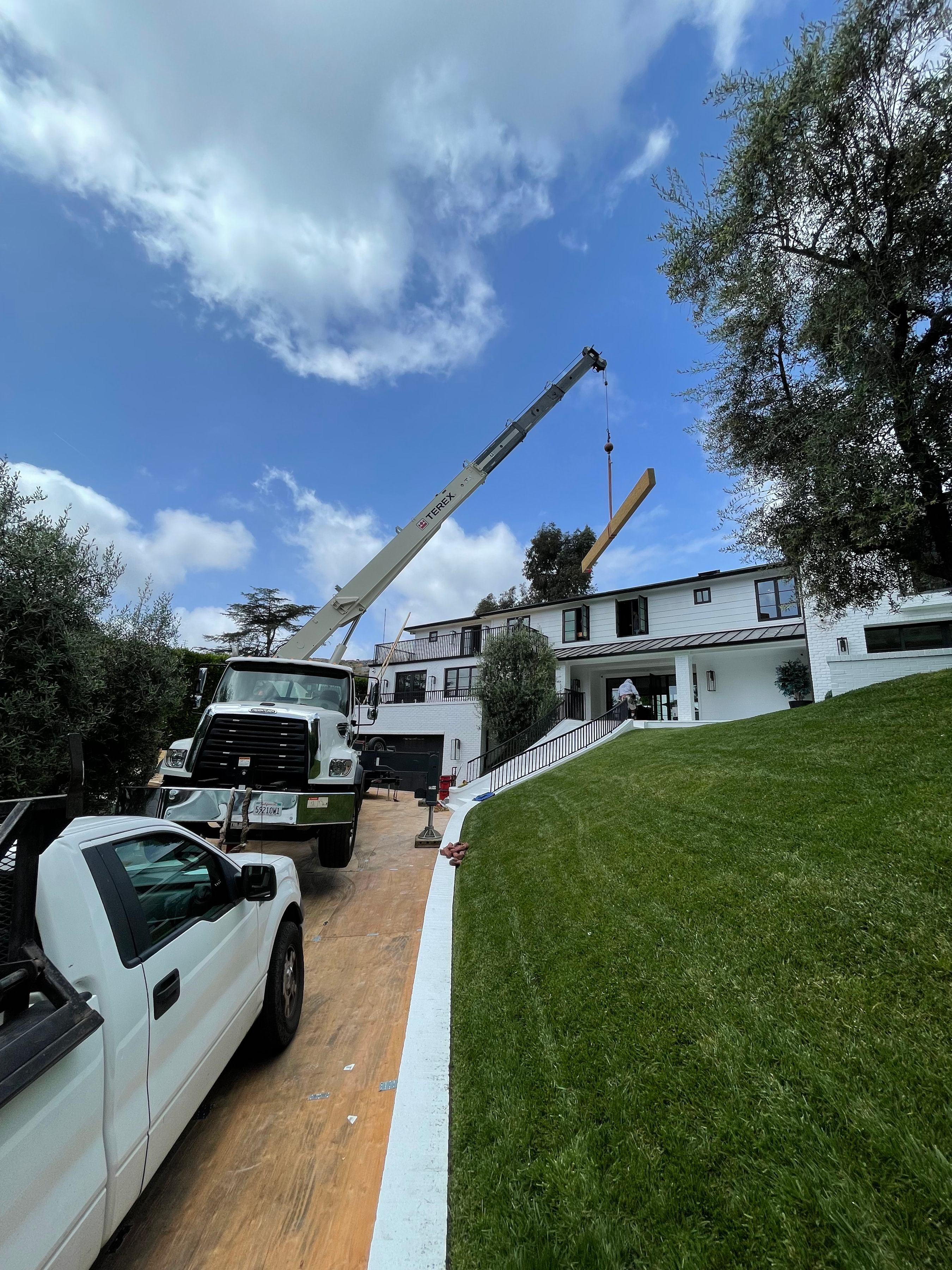
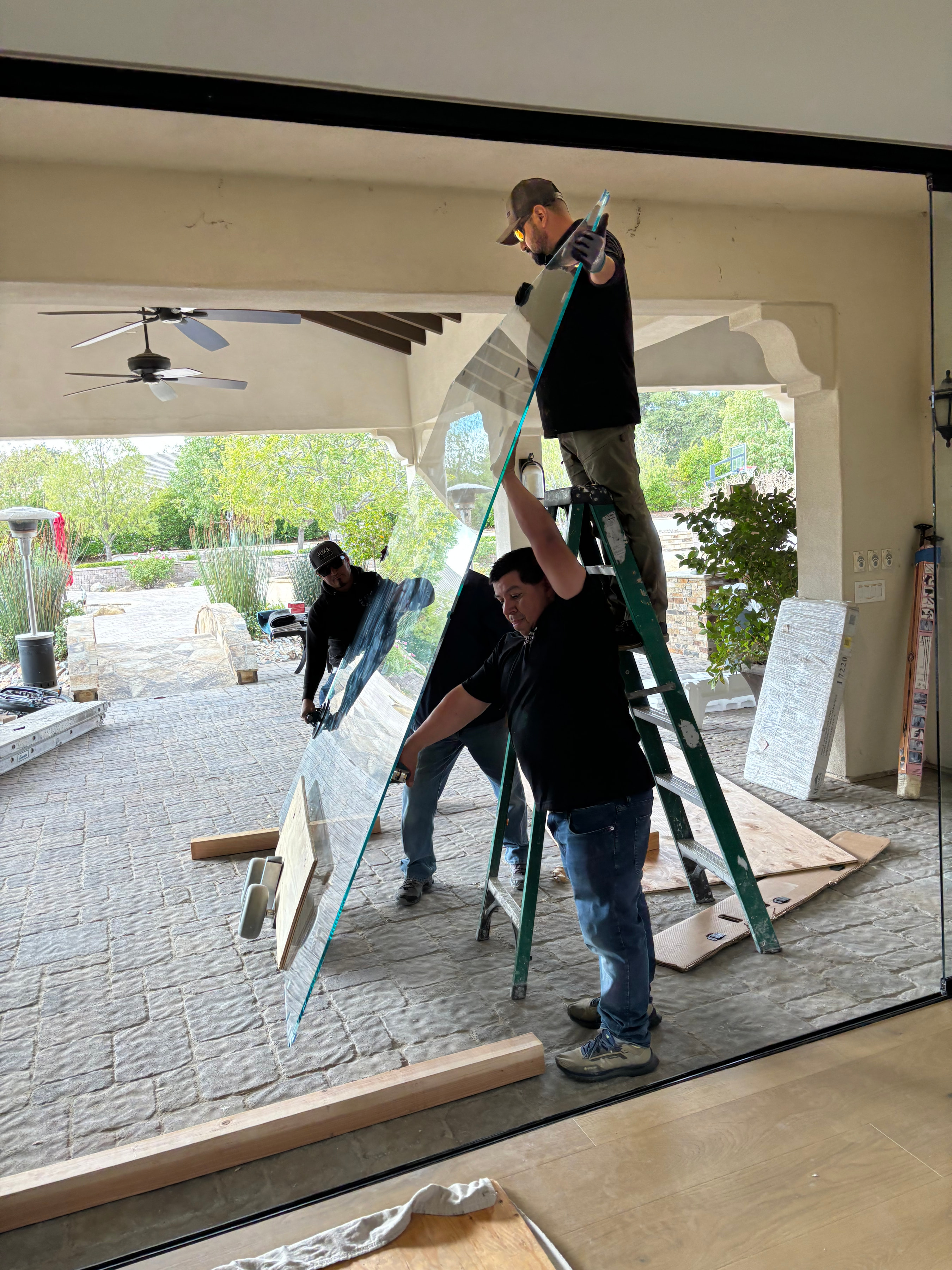
Where to start
Start with the site, the paperwork, and the team. Construction comes after those.
- Confirm debris removal and site clearance are complete and documented
- Gather what you have: old plans, permits, surveys, photos, and your insurance policy
- Get a survey and, on hillside lots, a soils report
- Decide whether to rebuild what you had or change the design
- Bring a contractor in early, so construction numbers can inform the design and your insurance conversations
Like-for-like rebuilds move faster
After the January 2025 Palisades and Eaton fires, the City and County of Los Angeles issued emergency orders to speed up rebuilding. In general, a rebuild that stays close to the original home’s size and footprint (commonly up to about 110 percent) can skip some discretionary reviews that would otherwise apply.
A larger or redesigned house can still be built, but it may go through the full review process. These rules have changed since the fires and may change again, so confirm the current requirements with LADBS or Los Angeles County before you finalize a design.
Rebuild what you had, or change it
This is the first big decision, and it sets the schedule. Rebuilding close to the original plan usually moves through permitting fastest. Changing the layout or adding space can give you a better house, but may mean a longer review.
Many families land in between: the same footprint, with a better kitchen, a larger primary suite, or more light. Decide early which rooms matter most to you, because those choices drive structure, plumbing, and electrical, and they are hard to change once plans are submitted.
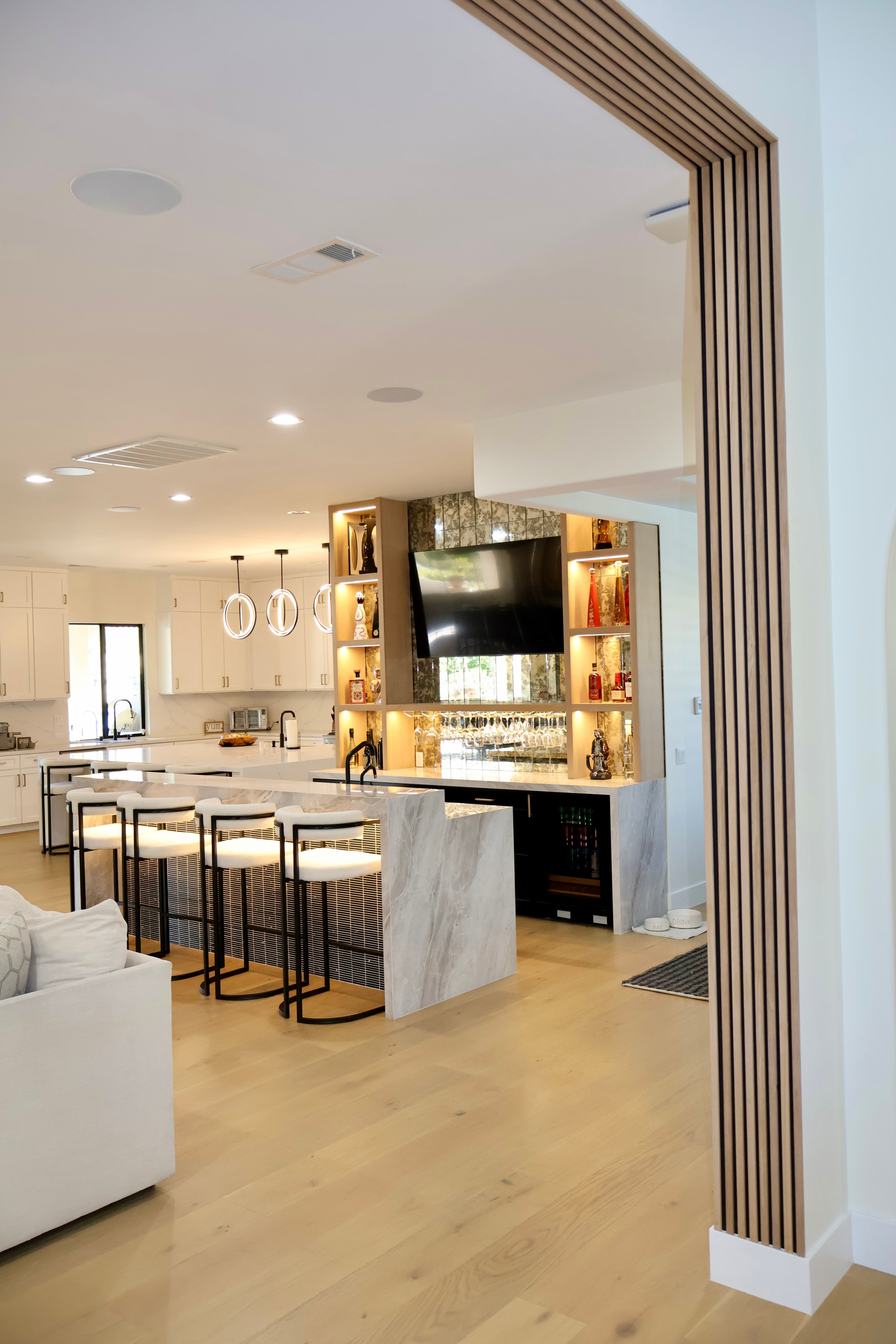
Site work, foundations, and soils
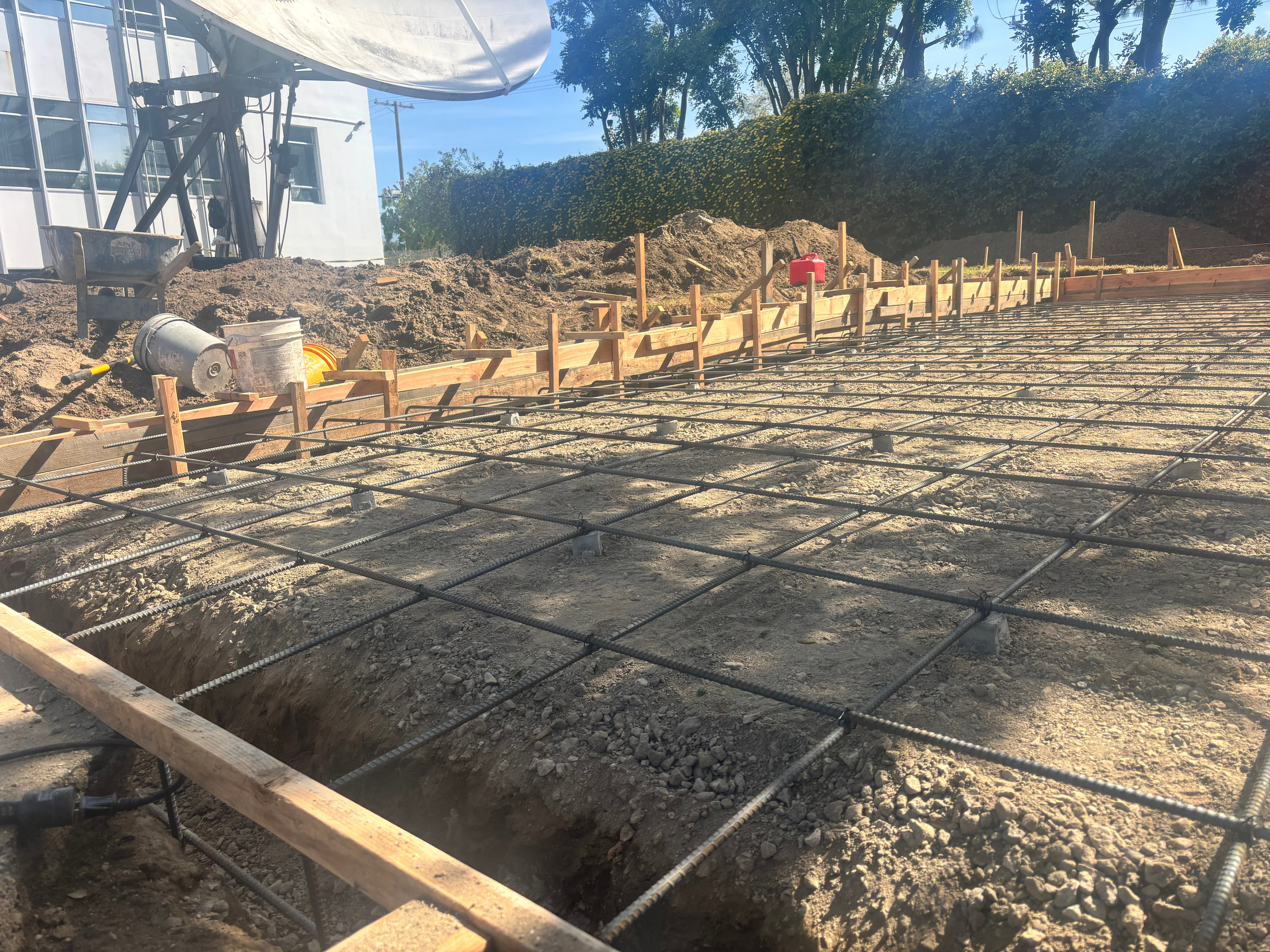
A rebuild starts below grade. Even after clearance, the old foundation, retaining walls, and utility lines have to be evaluated before anyone can design on top of them.
On hillside lots, a soils report tells the engineer what the new foundation needs. Sometimes parts of an old foundation can be reused; often they cannot meet current code. Retaining walls, drainage, and utility connections are part of this phase, and knowing about them early keeps the schedule honest.
Building for fire resistance
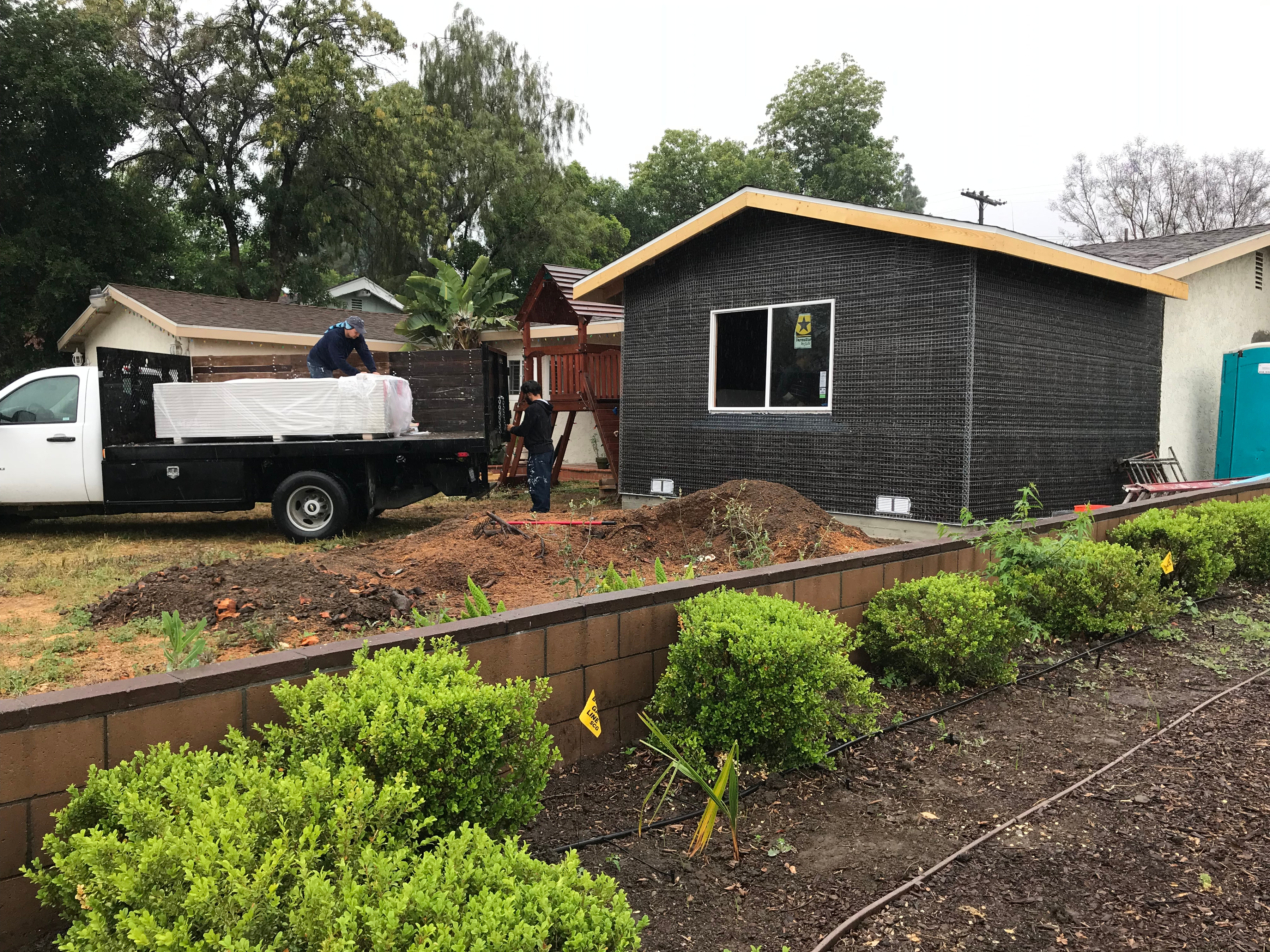
New homes in a Very High Fire Hazard Severity Zone must meet California’s wildland-urban interface standards, known as Chapter 7A of the building code. The goal is simple: keep embers out and keep the outside of the house from catching.
- Class A roofing
- Ember-resistant vents
- Noncombustible or ignition-resistant exterior walls, decks, and trim
- Tempered, multi-pane windows
- Defensible space, with a noncombustible zone right around the house
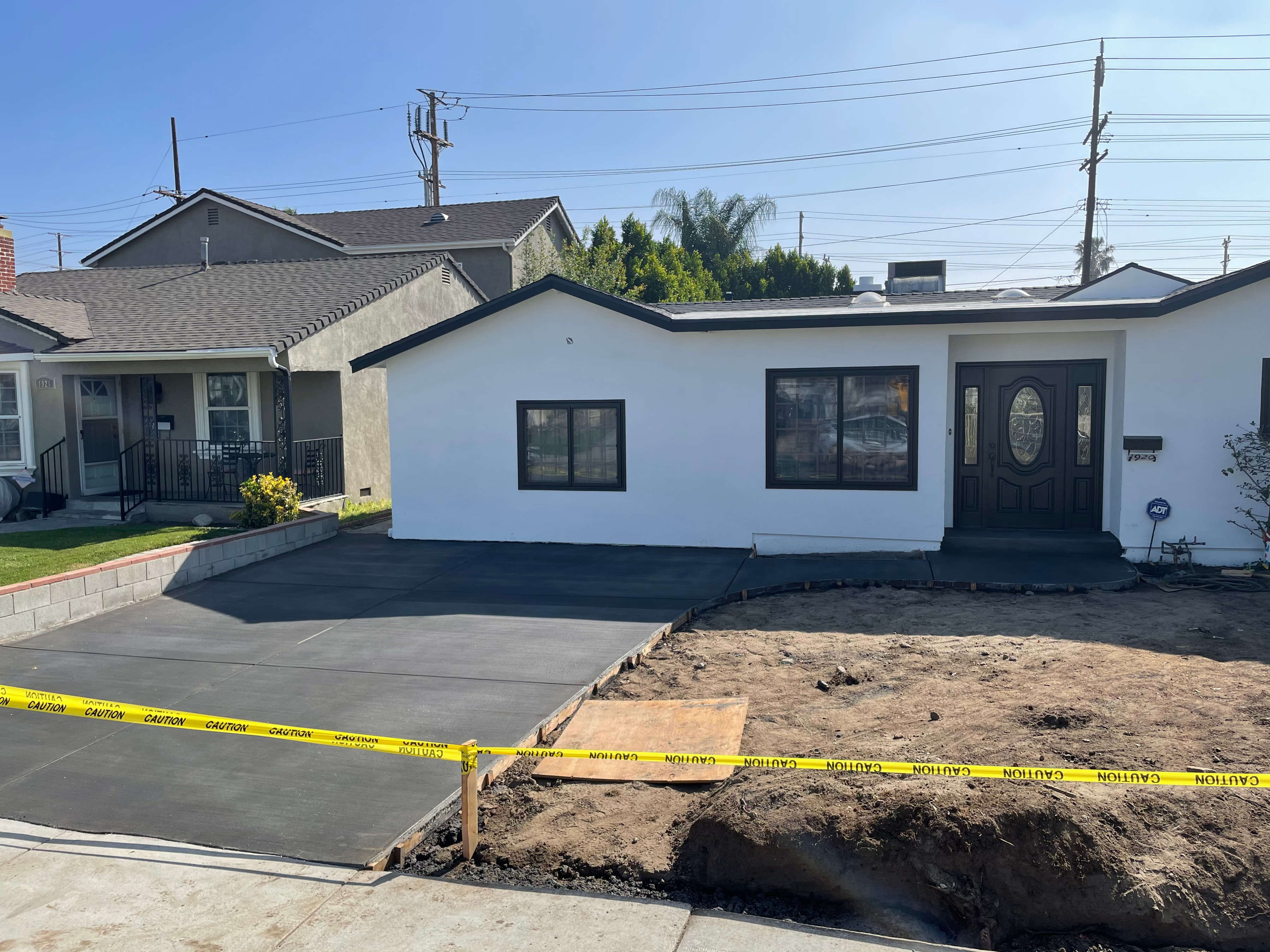
Pacific Palisades rebuilds
Much of Pacific Palisades sits in a Very High Fire Hazard Severity Zone. Parts of it are in the Coastal Zone, and many lots are on hillsides. Each of those can add review, engineering, and time.
Like-for-like rebuilds under the emergency orders avoid some of that. Lots that need new retaining walls, deeper foundations, or a larger house should plan for longer permitting.
Working with insurance
Your policy limits shape what you can rebuild. An early construction estimate helps you see whether your coverage matches the real cost of rebuilding to today’s code, and where the gaps are.
We provide a detailed written scope and price that you can share with your adjuster. We do not act as a public adjuster or give legal advice, but we make sure the construction numbers are clear and complete.
What the build looks like, phase by phase
Once permits are issued, a ground-up rebuild follows a predictable order. Knowing it helps you plan decisions and draws.
- Site work and foundation, including any retaining walls
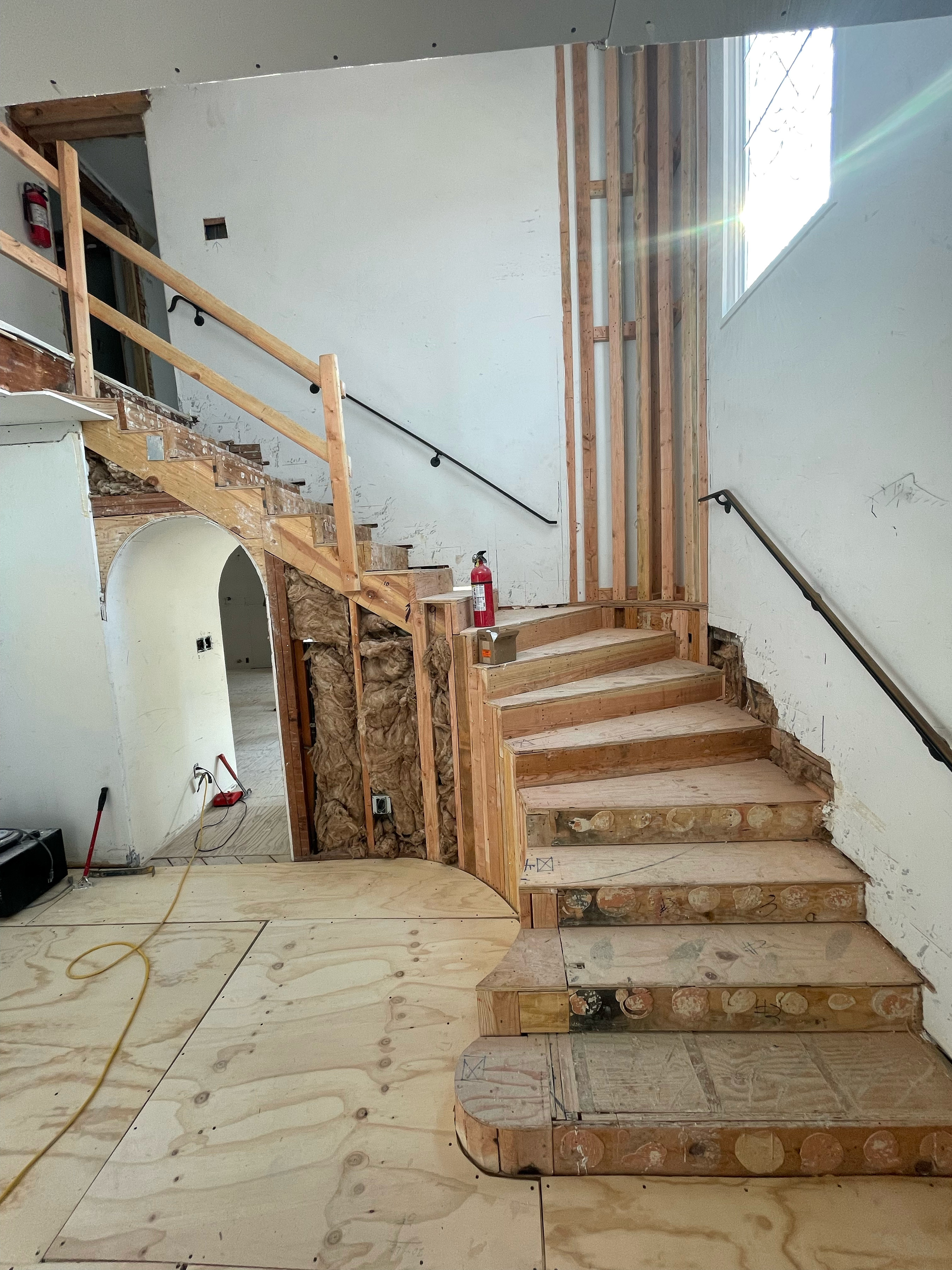
- Framing, roofing, windows, and the fire-resistant exterior
- Plumbing, electrical, and mechanical rough-in, then inspections
- Insulation, drywall, and plaster
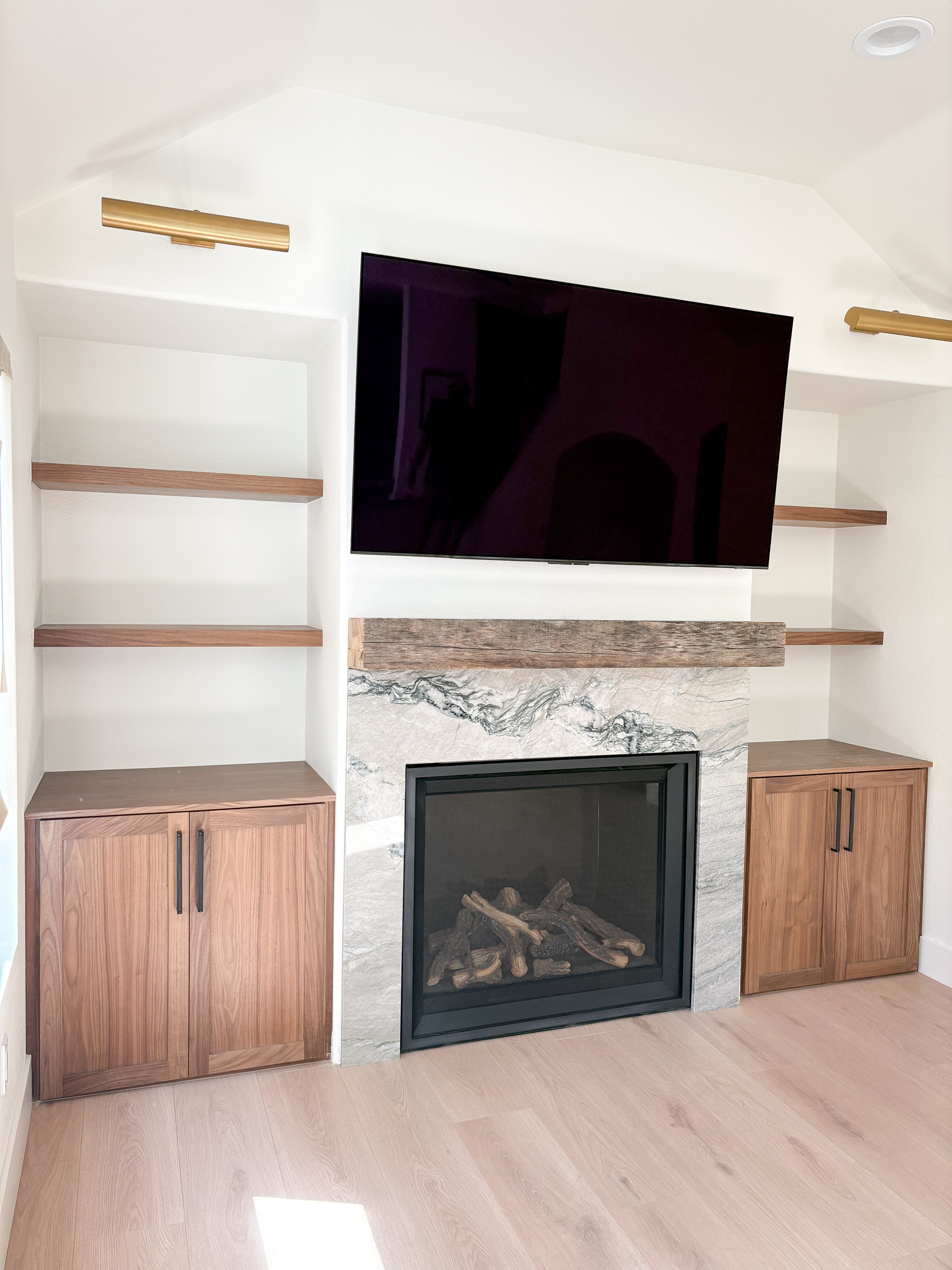
- Cabinetry, tile, fixtures, and finishes
- Final inspections, a walkthrough, and a punch list
Frequently asked questions
How long does it take to rebuild a house after a fire?
Construction on a ground-up home typically takes 12 to 18 months once permits are issued. Like-for-like rebuilds under the post-fire emergency orders can move through permitting faster than a new design, while hillside, coastal, or larger redesigned homes generally take longer.
Can I build a bigger house when I rebuild?
Usually yes, but it may change the process. The streamlined path after the 2025 fires generally applies to rebuilds close to the original size and footprint. A larger or redesigned home may need the full review that applies to new construction. Confirm the current rules with LADBS or Los Angeles County.
What makes a home fire resistant?
Keeping embers out and keeping the exterior from igniting. That means Class A roofing, ember-resistant vents, noncombustible or ignition-resistant siding and decks, tempered multi-pane windows, and a noncombustible zone around the house. Homes in Very High Fire Hazard Severity Zones must meet these standards under Chapter 7A of the California building code.
When should I bring in a contractor?
Early, ideally before the design is final. A contractor can price the design as it develops, flag site issues, and give you construction numbers to compare against your insurance coverage.
Do you work in Pacific Palisades and Altadena?
We work across Greater Los Angeles. Call or text us with your address and we will talk through your rebuild and whether we are the right fit.