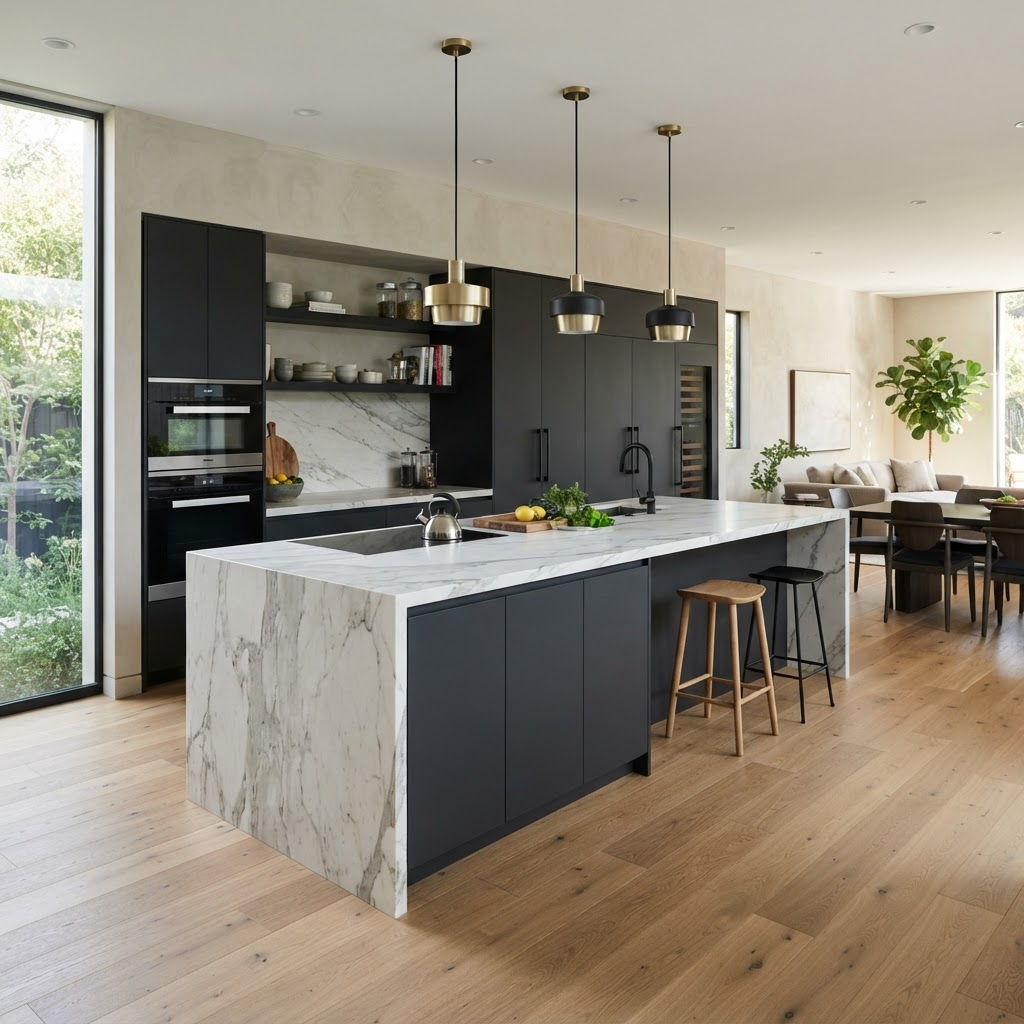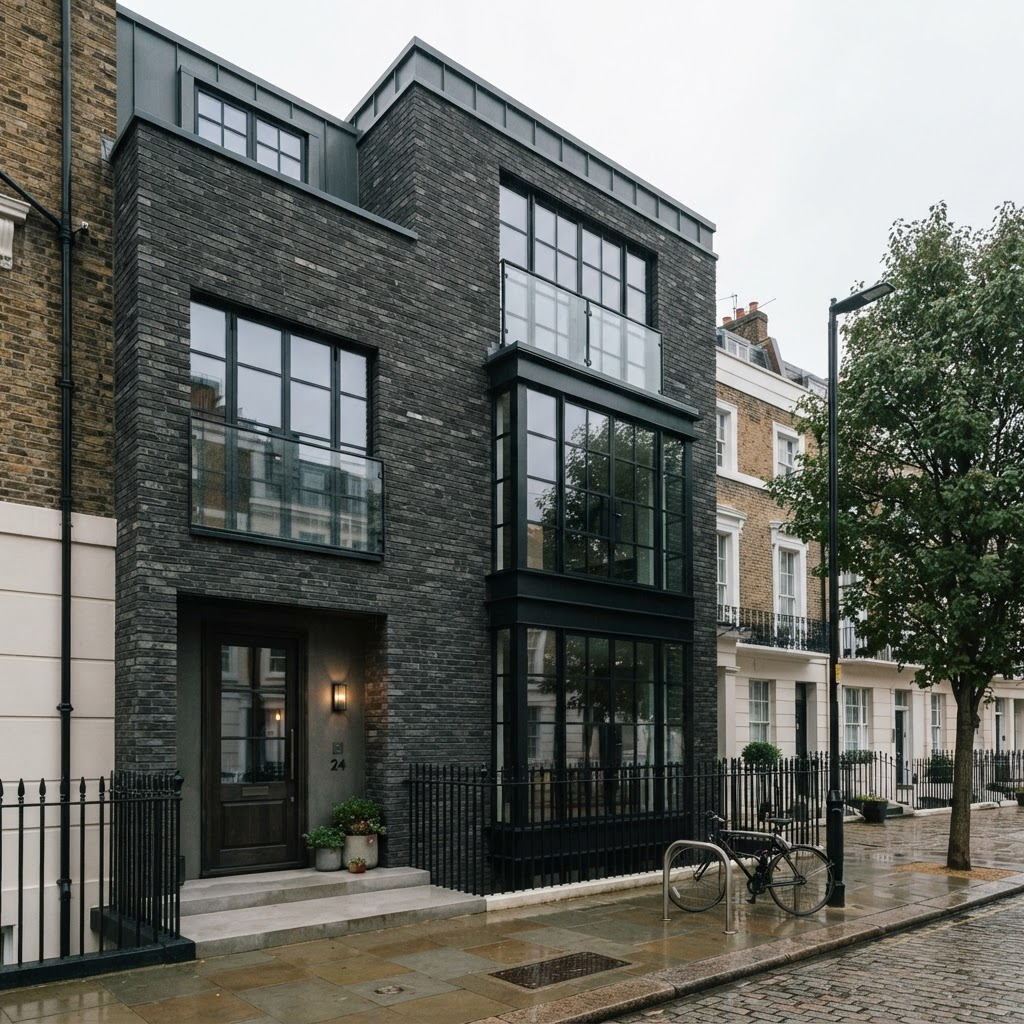
Finish materials that do not give embers a place to start
The roof is the largest target. A Class A assembly — typically tile, metal, or composition shingle listed as Class A — is the baseline in fire country. Wood shake is the opposite of that baseline. Edges, valleys, and the places the roof meets a wall need metal flashing, not a gap packed with needles.
Walls should be noncombustible or ignition-resistant: stucco, fiber-cement, metal, or masonry. Untreated wood siding and foam trim at the eaves are common weak points. Fences and gates that attach to the house should turn to metal or masonry for the last several feet so a burning fence cannot walk fire to the wall.
Windows fail from heat before the glass “explodes.” Dual-pane, tempered units last longer than old single-pane. Screens help stop embers. A garage door with a tight seal matters because the garage is often full of things that burn.
Vents: the small holes embers look for
Attic, gable, eave, and foundation vents are how embers get inside a house that looks closed. Standard bug screen is too open. Ember-resistant vents use finer mesh (often 1/8 inch or a listed fire-rated product) and a shape that keeps wind-driven embers from a straight shot in.
Open eaves are a particular problem because heat collects under them. Boxing or enclosing soffits, and putting the vents on the vertical face rather than the underside, reduces that pocket. Dryer and kitchen exhaust should use listed dampers, not a flap that sticks open.
This is one of the highest-value upgrades on an older house because it is localized, inspectable, and does not require a new roof.
Gutters, covers, and keeping fuel off the roof edge
Gutters stuffed with leaves and pine needles are a fuse along the eaves. Clean them on a schedule you will keep — more often if you have trees overhead — and add covers so debris cannot rebuild as fast.
Metal gutters are better than vinyl in a fire because they do not melt onto the fascia. Covers help, but they do not replace cleaning; fine needles still collect. Keep roof valleys and the first few feet of roof clear the same way.
Plants and ground cover in the first 30 feet
California now treats the first five feet around the house — often called Zone 0 — as the most important ring. That strip should be gravel, decomposed granite, concrete, pavers, or irrigated hardscape. Bark mulch, wood chips, stacked firewood, hedges against the stucco, and furniture cushions against the wall are all fuel in that ring.
From five to 30 feet, plants should be irrigated, spaced, and low. Juniper, Italian cypress, eucalyptus, and unwatered ornamental grasses next to the house are poor neighbors. Trees should not touch the roof or other trees in a continuous canopy. Lawns and groundcovers that stay green and low are safer than tall, dry shrubs.
Farther out, thin and separate. The goal is not a bare lot. It is breaks — so fire on the ground does not have a ladder into the eaves.
- 0–5 feet — no combustible mulch, no plants against the wall, hard ground cover
- 5–30 feet — irrigated, spaced plants; no continuous hedges to the house
- 30–100 feet — thinned trees and removed dead material, per local defensible-space rules
- Keep woodpiles, propane, and excess lumber well away from walls
What to do on an existing house versus a new build
A new house in a fire hazard zone will be pulled toward Chapter 7A: listed vents, ignition-resistant exteriors, enclosed eaves, and a Class A roof. That is the moment to get the assembly right, because siding and roofing are expensive to swap later.
On an existing house, start with the cheap, high-yield work: vents, gutters, Zone 0, and moving wood away from the walls. Then windows, then siding and roof when those are due anyway. Insurance and local fire departments increasingly look at these items; a written home-hardening list from your contractor is useful for both permits and carriers.
This page is planning guidance, not a substitute for the fire code on your parcel or a defensible-space inspection. Hillsides, brush, and jurisdiction rules vary lot to lot.
Frequently asked questions
What is the most important fire-safe upgrade on an older house?
Close the ember paths you can reach first: replace ordinary vents with ember-resistant ones, clean and cover gutters, and clear the first five feet around the house of mulch, plants, and stored wood. Those three changes address how most homes actually ignite, and they do not require a full reroof.
What siding and roof materials are fire-safer?
Use a Class A roof — typically tile, metal, or listed composition shingle — and noncombustible or ignition-resistant walls such as stucco, fiber-cement, metal, or masonry. Wood shake roofs and untreated wood siding are the weak materials in ember weather. Where a fence meets the house, switch to metal or masonry so fire cannot run the fence to the wall.
Do I need special vents?
Yes in fire country, and they are worth it elsewhere in Greater Los Angeles too. Ember-resistant vents use finer mesh or a listed design so wind-driven embers cannot fly straight into the attic or crawl space. Open eave vents on the underside of the roof overhang are a common failure point; moving or boxing them is part of the same job.
What plants and ground cover should I use near the house?
Keep the first five feet as gravel, decomposed granite, pavers, or other noncombustible ground — not bark mulch. Farther out, use irrigated, widely spaced, low plants. Avoid juniper, Italian cypress, eucalyptus, and dry ornamental grass against the house, and keep tree limbs off the roof.
Does fire-safing apply if I am only remodeling?
Yes. New construction in a Very High Fire Hazard Severity Zone must meet California Chapter 7A, but existing homes still ignite the same way. A kitchen or addition is a good moment to upgrade vents, eaves, and the wall assembly you are already opening. Even a landscape refresh can establish Zone 0 without touching the interior.